

There are few decades in recent history as romanticized and idealized as the sixties. It was a time of change and turbulence, of youth finding their voice, liberation on so many fronts (kind of…), and some undeniably amazing music. On the surface, or what gets passed down to younger generations that don’t bother to do their own digging, it seems like a golden moment in history that people of a certain age were lucky enough to experience.
But, as Robert Frost and Ponyboy once said: nothing gold can stay.
These two movies depict the crumbling of the sixties dream and the corroded core that often gets overlooked. One was made pretty in the time period it’s depicting, while the other was made in the eighties and can look back on the refuse of the era with the well-earned snideness of survivor bias. They differ and overlap in their sense of humor, characters and motivations, but where they are firmly in the same camp is in watching the spoils of a culture war considered won despite the obvious cracks in the facade.
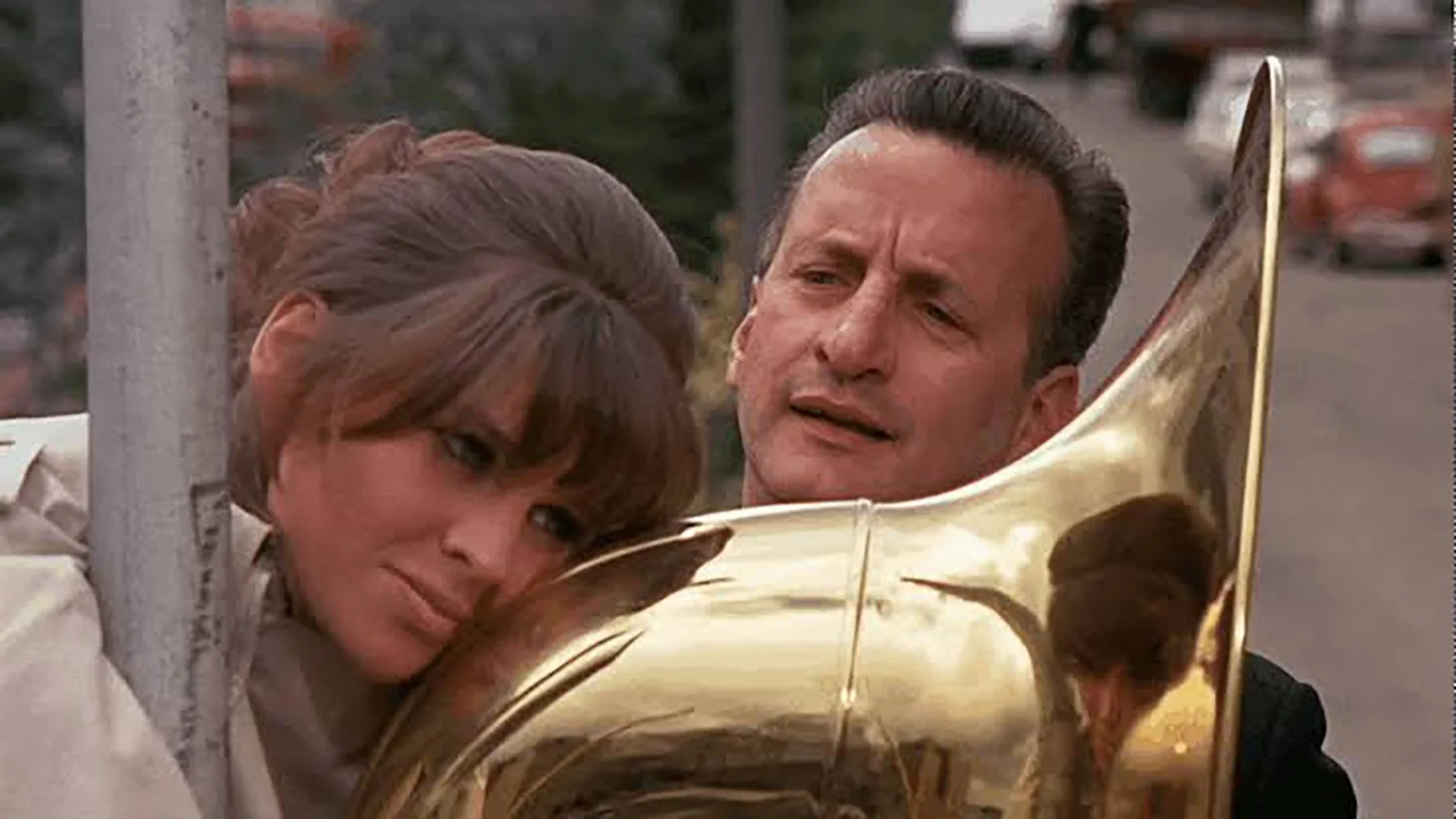
Lead Film: Petulia (1968, dir. Richard Lester)
What’s really great about this movie is just how sixties it is, all around. Directed by Richard Lester, Petulia stars Julie Christie and George C. Scott, and was shot on location in San Francisco makes it a true time capsule. In its simplest form, it’s a love story (kind of…), but it’s also a winding tale of what happens when people live only for the moment and life without structure is praised.
Petulia (Christie) and Archie (Scott) meet at a time when Archie is going through a divorce and Petulia has been married for six months. They attempt a one-night stand that Petulia abruptly decides against, but they continue to see each other and muddle in each other’s lives. Petulia is a flighty, self-serving character who stalks Archie when she sees him out with another woman, shows up at his home unexpectedly, and expects him to come to her aid at the drop of a hat.
Petulia is hospitalized when she is badly beaten and Archie accuses her husband David (Richard Chamberlain), though he claims to have been out of town and Petulia will say nothing for or against him. Archie tries to wash his hands of their relationship and the last time he sees her is when she’s in the maternity ward and calls out for David as she starts to deliver.
Throughout this tangled narrative, Archie is the stand-in for the older generation, bewildered at the norms he is seeing emerge. Petulia is beautiful and speaks in the flowery ethereal patois of the hippies of the time, but her actions and her reality are narcissistic and depressing, respectively. The men Archie encounters are opportunistic weasels who talk a big game yet bring nothing to the table.
Some of the best scenes in the film are moments on the edge of the storyline where the decay of the hippie culture is leaking through. A panicked Archie approaches two men and asks them to call the cops, to which one laughs and replies, “nah.” A frustrated grocery store clerk tries to extract payment from a deadbeat long-hair who eats half his purchase while on line and can only offer an “I love you” when it’s time to pay. The bright, happy vision of San Francisco in the sixties is underscored with the exact shady elements that would be drawn to a movement looking for a lighter, more free life. While some are there with good intentions, the bulk have arrived to exist on the carrion of their ideals.
Despite all this, Petulia is a riotously funny movie. There’s a lot of cut-away humor that recalls 30 Rock – if you are as obsessed with 30 Rock as your humble narrator here is – and deadpan delivery when least expected. George C. Scott didn’t do enough comedy in my opinion, but as long as we got this one out of him, I can die happy.
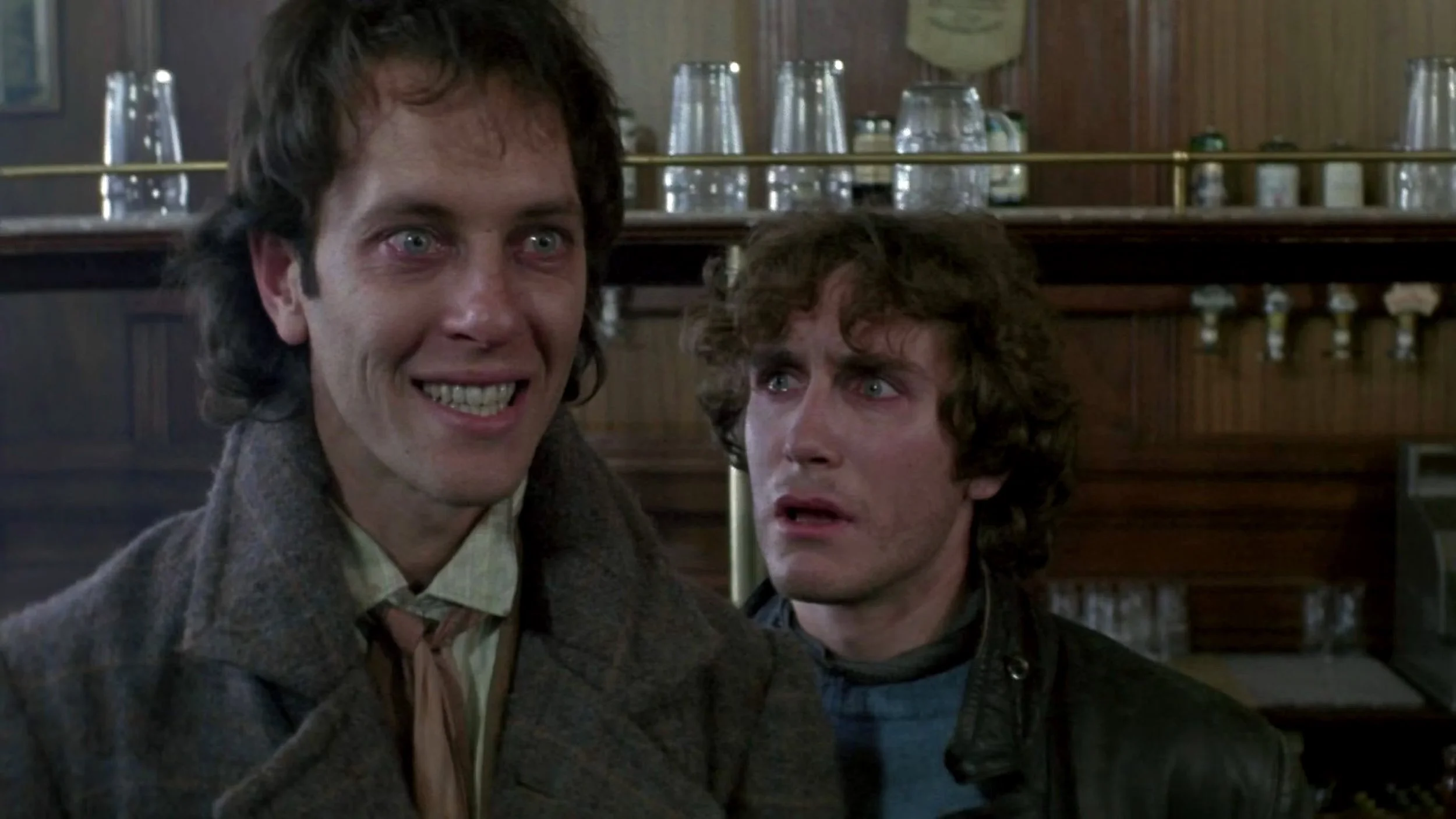
Second billing: Withnail and I (1987, dir. Bruce Robinson)
Perhaps one of the best cult movies to star Richard E. Grant and feature its characters drinking lighter fluid. Withnail and I is a story about two friends who are trying to make it as actors in London at the literal end of the sixties, 1969. They share a junky flat (which is still pretty big and would be nice if they weren’t so disgusting) in Camden Town, flee the city to mooch off of Withnail’s rich uncle Monty, and generally stumble drunkenly through their existence.
I, or Marwood (played with wide-eyed, impish charm by Paul McGann), is the better of the two when it comes to behavior and morals, though the subtext is that Withnail (Grant) is more talented. The deeper Withnail pulls Marwood into his shenanigans, the further away from his dreams he drifts. Withnail, despite all his claims of wanting to be a serious actor, doesn’t appear to take much of anything seriously. Time and time again, he sabotages his friend, yanks them both into dangerous situations, and pretends he has the answer to their problems when he’s just causing more of them.
As they’re leeching out in the country, Marwood is informed via telegram that he has been cast as the lead in a play but will have to leave London. To Withnail’s obvious chagrin, Marwood makes the decision to leave. He turns down Withnail’s offer of a goodbye drink, knowing it will never lead anywhere good, but allows his friend to walk him to the train station. Marwood leaves behind a looming eviction, a drug dealer who squats in their apartment, and the excitement of a chaotic friend for the promise of success and financial security.
The final scene of the movie is Withnail drunkenly performing “What a piece of work is man” from Hamlet in front of a pen of lions at the London Zoo before walking home, alone, in the rain. A question of when is it time to grow up hangs like a miasma around the entire, splendid soliloquy.
Like Petulia, this is a seriously funny movie, albeit a grosser one. The characters are physically grimy, the landscape is rainy, dreary, and muddy, and there’s a sense of this fun having run its course years back. Marwood is sincere in his well-wishes to Withnail when he says he’ll miss him at the end of the film, but it’s clear that he’s ready to move on and has the perfect chance to do so.
In an extra nod to the period in which it is set, the DVD cover for the later releases of Withnail and I feature drawings by Ralph Steadman, longtime collaborator of Hunter S. Thompson. If none of those names mean anything to you, I will politely ask you to leave.
Two different cities, two very different character dynamics, but connected in their perspective of a tumultuous and oft-lauded time period. Petulia and Withnail and I remind the viewer that we are only allowed snapshots of history when observing from the present, and it’s important to remember that nothing is ever fully golden.

